

Auto-Tune is an audio processing expertise designed to correct and modify the pitch of a musical performance, significantly in vocals. Developed by Antares Audio Technologies, Auto-Tune has become widely well-liked within the music industry for its capability to realize pitch correction and create distinctive vocal results. Here's every little thing you have to know concerning the Auto-Tune effect:
How Auto-Tune Works:
Pitch Detection: Auto-Tune analyzes the pitch of an incoming audio sign, detecting the elemental frequency of every notice.
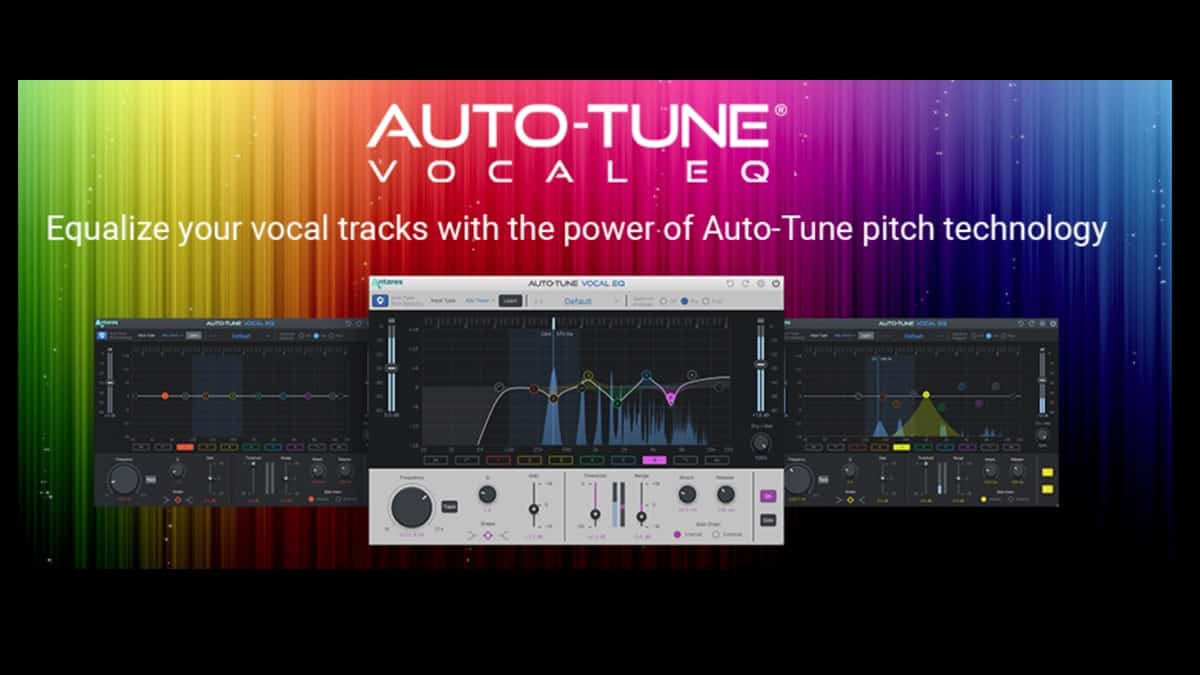
Comparison to Reference Pitch: The detected pitch is in comparison with a reference pitch or musical scale set by the consumer or producer.
Pitch Correction: If the detected pitch deviates from the reference pitch, Auto-Tune applies corrective processing to bring it nearer to the desired pitch.
Correction Speed: The correction velocity determines how quickly Auto-Tune adjusts the pitch. Faster settings lead to extra instant corrections, while slower settings create a smoother, more natural-sounding effect.
Browse this site of Auto-Tune:
Transparent Correction: Auto-Tune can be utilized transparently to subtly correct pitch inaccuracies and not using a noticeable effect, sustaining a pure sound.
Creative Effect: The exaggerated pitch correction, typically associated with the "auto-tuned" sound, has turn out to be a inventive impact used intentionally by artists for stylistic functions.
Real-Time and Post-Processing: Auto-Tune can be utilized in real-time during live performances or as a post-processing effect during recording and mixing.
Graphical Interface: Many versions of Auto-Tune function a graphical interface that displays the pitch of the enter sign over time, allowing for visual changes to the pitch correction.
Customization: Auto-Tune presents various settings and parameters that can be custom-made, together with correction speed, scale, and key settings, offering flexibility for various musical contexts.
Common Uses of Auto-Tune:
Pitch Correction: The primary use of Auto-Tune is to right pitch inaccuracies in vocal and instrumental performances.
Enhanced Vocal Quality: When used judiciously, Auto-Tune can enhance the general quality of a vocal performance by smoothing out minor imperfections.
Creative Expression: Many artists intentionally use Auto-Tune to create distinctive and stylized vocal effects, contributing to the sonic signature of their music.
Live Performances: Auto-Tune is utilized in reside performances to ensure pitch accuracy, especially when dealing with challenging acoustics or monitoring circumstances.
Criticism and Controversy:
Overuse Concerns: Auto-Tune has faced criticism for its potential to be overused, leading to a homogenized and artificial sound in music.
Loss of Authenticity: Some argue that excessive use of Auto-Tune may find yourself in a lack of the natural expressiveness and authenticity of a musician's efficiency.
Evolution and Impact:
Influence on Music Production: Auto-Tune has significantly influenced the sound of up to date music, shaping the manufacturing of assorted genres.
Recognition in Popular Culture: The distinctive Auto-Tune effect has become a recognizable component in well-liked tradition, associated with specific artists and musical types.
In summary, Auto-Tune is a flexible software that serves both technical and creative functions in music manufacturing. Its influence on the trade has been profound, and its use continues to evolve, contributing to the diverse panorama of recent music..